

When cooking, we all want a clean and fresh kitchen. A hooded kitchen extractor helps with this. But where should it be placed? Should it go on the outside roof? This article will explore the benefits and drawbacks of putting hooded kitchen extractors on the roof.
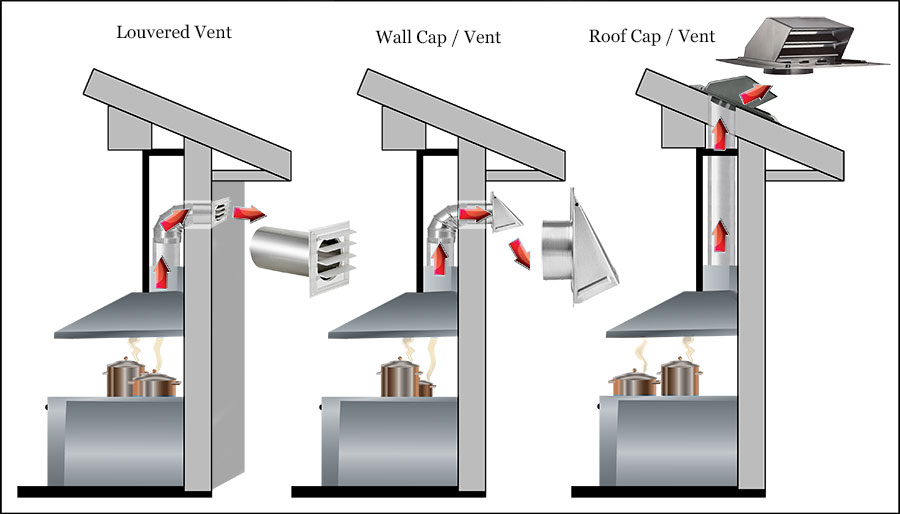
Credit: www.lambro.net
What is a Hooded Kitchen Extractor?
A hooded kitchen extractor is a device. It sits above your stove. Its job is to remove smoke, steam, and odors. This helps keep your kitchen fresh. It also makes cooking more pleasant.
Why Consider Roof Placement?
Many people ask if the extractor should be on the roof. There are reasons to think about this. Let’s look at the pros and cons.
Benefits of Roof Placement
- Better Airflow: Roof-mounted extractors can improve airflow. They can move air more easily outside.
- Less Noise: Placing the extractor on the roof can reduce noise inside. This makes your kitchen quieter.
- Space Saving: Installing on the roof saves space in the kitchen. You can use that space for other things.
- Cleaner Look: Roof placement can give a neat appearance. It keeps the kitchen looking modern.

Credit: www.youtube.com
Drawbacks of Roof Placement
- Higher Installation Costs: Installing on the roof can be more expensive. You may need extra materials.
- Weather Issues: Roof extractors face weather challenges. Rain or snow can affect them.
- Maintenance Difficulty: It can be harder to reach roof extractors. This makes cleaning and repairs tough.
- Noise Outside: The extractor can make noise on the roof. This might disturb neighbors.
How Hooded Kitchen Extractors Work
Hooded kitchen extractors work by using a fan. The fan pulls air from the kitchen. Then, it sends the air outside. This helps remove smoke and smells. There are two main types:
- Ventilated: These models pull air outside. They need ductwork.
- Recirculating: These models filter air and send it back. They do not need ductwork.
Factors to Consider
Before deciding where to place your extractor, think about these factors:
1. Kitchen Size
A large kitchen may benefit from roof placement. It allows for better airflow. A small kitchen may not need this.
2. Cooking Habits
If you cook often, a roof extractor can help. It removes smoke quickly. If you cook less, a recirculating model might work.
3. Local Weather
Consider the weather in your area. If it rains a lot, a roof extractor may face problems. Choose carefully based on your climate.
4. Building Codes
Check local building codes. Some areas have rules about extractor placement. Make sure you follow these laws.
Installation Tips
If you decide to install a hooded kitchen extractor, here are some tips:
- Hire a Professional: A skilled installer can ensure proper setup. This helps avoid problems later.
- Choose the Right Size: Make sure the extractor matches your kitchen size. A larger kitchen needs a stronger extractor.
- Check Ductwork: Ensure the ductwork is clear and in good condition. This helps the extractor work better.
- Regular Maintenance: Clean the filters often. This keeps the extractor running smoothly.
Frequently Asked Questions
Should Hooded Kitchen Extractors Be Installed On The Roof?
Hooded kitchen extractors can be installed on the roof for better ventilation. This helps remove smoke and odors effectively.
What Are The Benefits Of Roof-mounted Extractors?
Roof-mounted extractors save space inside your kitchen. They also improve air quality by venting outside.
Are There Any Drawbacks To Roof-mounted Kitchen Extractors?
Roof-mounted extractors can be harder to clean. They may also require more maintenance than wall-mounted options.
How Do Roof Extractors Affect Kitchen Noise Levels?
Roof extractors often reduce noise. They are installed farther from the kitchen, making them quieter during use.
Conclusion
In conclusion, placing hooded kitchen extractors on the roof has pros and cons. It can improve airflow and save space. However, it can also be costly and harder to maintain. Think about your kitchen size, cooking habits, and local weather. Always check local codes before installing.
Ultimately, the choice is yours. A roof extractor might work well for some. For others, a kitchen-mounted model may be best. Consider your needs carefully before deciding.