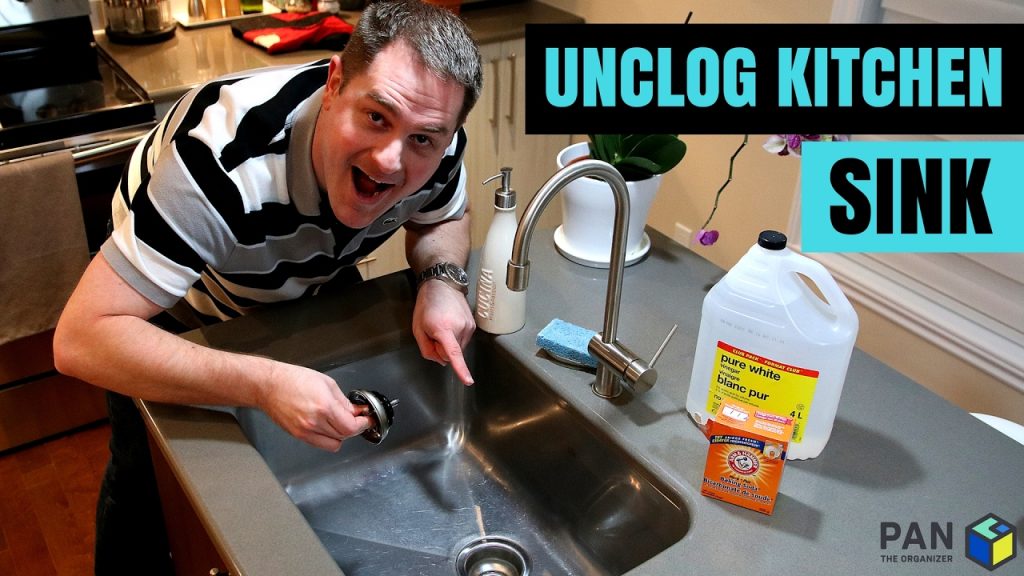

A clogged kitchen sink can be very annoying. It stops you from using your sink. Water doesn’t drain away. But don’t worry! You can fix this problem easily. This guide will show you how.
Why Does a Kitchen Sink Get Clogged?
There are many reasons why sinks get clogged. Food particles, grease, and soap can build up in the pipes. Over time, these things block the pipes. Let’s look at the most common reasons:
- Food scraps
- Grease and oil
- Soap scum
- Small objects
What You Need
Before you start, gather your tools. Here is a list of what you will need:
- Rubber gloves
- Plunger
- Baking soda
- Vinegar
- Boiling water
- Bucket
- Plumber’s snake
Step-by-Step Guide
Step 1: Remove Visible Blockages
First, look inside the sink drain. If you see any food scraps or small objects, remove them. Wear rubber gloves to protect your hands. This step might solve the problem.
Step 2: Use A Plunger
If the sink is still clogged, try using a plunger. Fill the sink with a little bit of water. Place the plunger over the drain. Push down and pull up quickly. Do this several times. This might push the blockage through the pipe.
Step 3: Use Baking Soda And Vinegar
If the plunger does not work, try baking soda and vinegar. Pour one cup of baking soda into the drain. Next, pour one cup of vinegar. You will see bubbles and hear fizzing. Wait for about 15 minutes. Then, pour boiling water into the drain. This helps to clear the pipes.
Step 4: Use A Plumber’s Snake
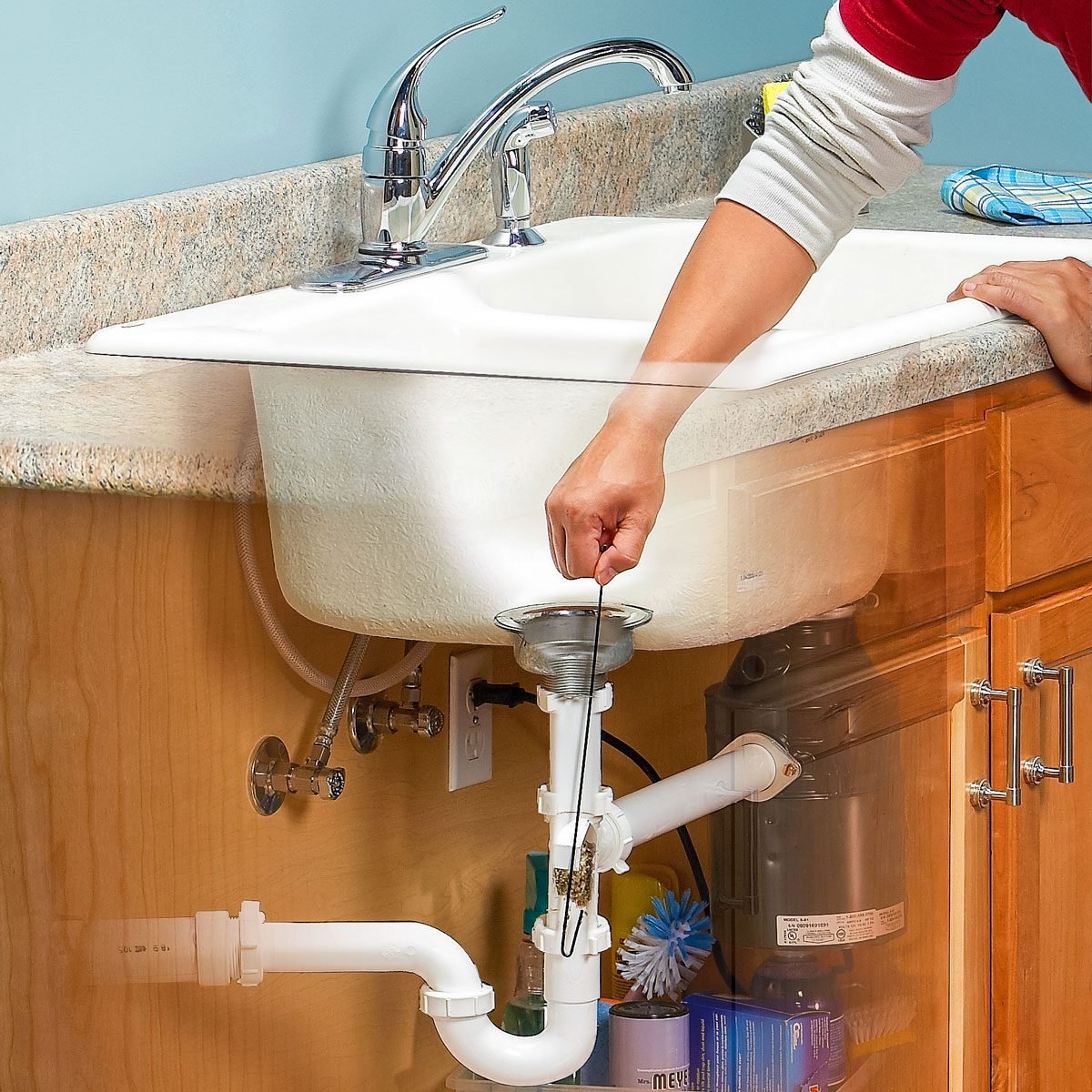
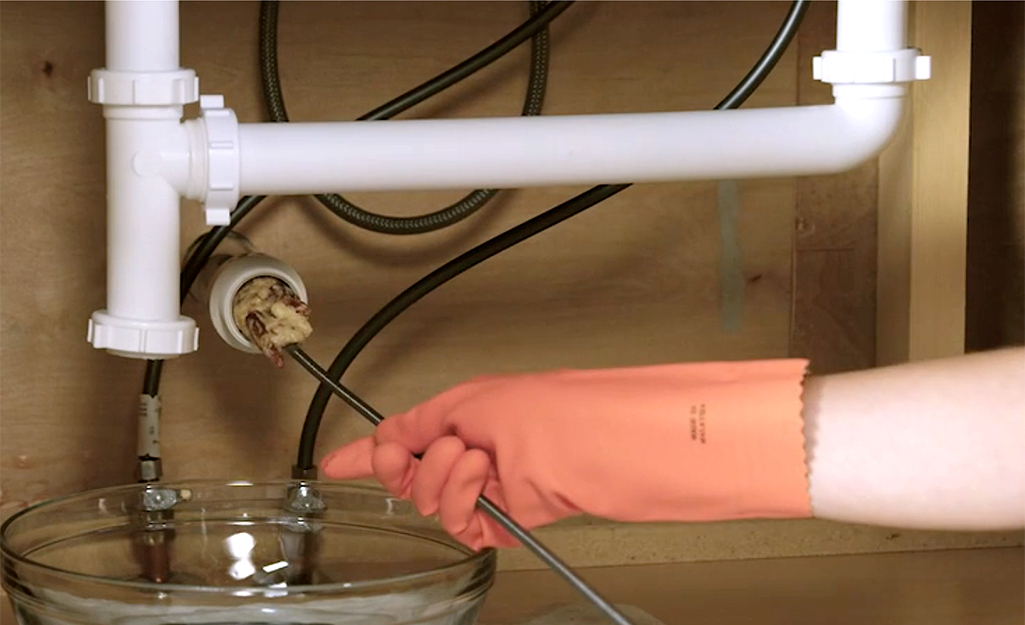
If the sink is still clogged, use a plumber’s snake. This tool goes deep into the pipe. Push the snake into the drain. Turn the handle to break up the blockage. Pull the snake out and clean it. Repeat if necessary.
Step 5: Check The P-trap
If the sink is still clogged, check the P-trap. The P-trap is the U-shaped pipe under the sink. Place a bucket under the P-trap to catch water. Use a wrench to loosen the nuts. Remove the P-trap and clean it. Put the P-trap back and tighten the nuts.
Credit: www.familyhandyman.com
Prevent Future Clogs
To keep your sink from clogging again, follow these tips:
- Do not pour grease or oil down the drain.
- Use a drain strainer to catch food scraps.
- Pour hot water down the drain once a week.
- Use baking soda and vinegar monthly to clean the pipes.
When to Call a Plumber
Sometimes, DIY methods do not work. If you can’t unclog the sink, call a plumber. A plumber has special tools and skills. They can fix the problem quickly.
Credit: kinbyricenroll.com
Frequently Asked Questions
How Do I Know If My Sink Is Clogged?
Look for slow draining water or standing water in the sink. Gurgling sounds may also indicate a clog.
What Tools Do I Need To Unclog A Kitchen Sink?
Common tools include a plunger, a drain snake, and a bucket. These help clear blockages effectively.
Can I Use Baking Soda To Unclog My Sink?
Yes, baking soda and vinegar can help break down grease. Pour them down the drain and wait.
What Should I Avoid Pouring Down The Kitchen Sink?
Avoid grease, coffee grounds, and food scraps. These can cause clogs over time.
Conclusion
Unclogging a kitchen sink is not hard. Follow the steps in this guide. You will fix the problem. Remember to prevent future clogs. Keep your sink clean and clear.
Frequently Asked Questions
Can I Use Chemical Drain Cleaners?
It is best to avoid chemical drain cleaners. They can damage your pipes. They are also harmful to the environment.
What If The Sink Is Still Clogged?
If the sink is still clogged after trying these steps, call a plumber. They will have the right tools and expertise.
How Often Should I Clean My Drain?
Clean your drain once a month. Use baking soda and vinegar to keep it clear.
Is It Safe To Use Boiling Water?
Yes, but be careful. Boiling water can help clear the pipes. Just make sure not to burn yourself.
Can I Prevent Clogs?
Yes, use a drain strainer and avoid pouring grease down the sink. Regular cleaning helps too.