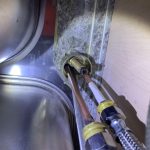


Replacing a kitchen faucet can seem hard. But, with the right tools and steps, you can do it! This guide will help you understand how to replace a kitchen faucet easily. You will learn about the tools needed, steps to follow, and tips for success.
Why Replace Your Kitchen Faucet?
Your kitchen faucet may need replacing for several reasons:
- It leaks water.
- It is old and rusty.
- It does not work well.
- You want a new style.
Whatever the reason, a new faucet can improve your kitchen. It can also save you money on water bills.
Tools You Will Need
Before you start, gather these tools:
- Adjustable wrench
- Flathead screwdriver
- Phillips screwdriver
- Pliers
- Bucket or bowl
- Towel or rag
Having these tools ready makes the job easier. You will not need to stop often.

Credit: greenhouseplumbing.com
Choosing the Right Faucet
Choose a faucet that fits your kitchen. Here are some things to think about:
- Style: Choose a design you like.
- Height: Make sure it fits under your cabinets.
- Number of holes: Check how many holes your sink has.
Once you pick a faucet, you can start the replacement.

Credit: www.youtube.com
Steps to Replace Your Kitchen Faucet
Follow these steps to change your faucet:
Step 1: Turn Off The Water Supply
Locate the water supply valves under the sink. Turn them to the right to stop the water flow. This step prevents big messes.
Step 2: Prepare The Area
Place a bucket or bowl under the sink. This will catch any water that spills. Use a towel to keep the area dry.
Step 3: Disconnect The Old Faucet
Use your adjustable wrench to loosen the nuts. These nuts hold the faucet in place. Turn them counterclockwise. If they are stuck, apply some force.
Next, disconnect the water supply lines. Use the pliers if needed. Be careful! Water may still be in the lines.
Step 4: Remove The Old Faucet
Once the nuts and lines are off, lift the old faucet out. Clean the area where the old faucet was. Remove any old putty or dirt.
Step 5: Install The New Faucet
Take your new faucet and place it where the old one was. Follow the manufacturer’s instructions. Place the mounting nuts on the faucet and tighten them.
Do not over-tighten. This may damage the faucet or sink.
Step 6: Connect The Water Supply Lines
Connect the water supply lines to the new faucet. Make sure to attach them to the correct sides. Hot goes to hot, and cold goes to cold.
Use your wrench to tighten the connections. Again, do not over-tighten.
Step 7: Apply Plumber’s Putty
If your faucet needs it, apply plumber’s putty around the base. This helps to prevent leaks. Follow the instructions on the putty package.
Step 8: Turn The Water Supply Back On
Now, turn the water supply valves back on. Open the faucet to let air out. Check for any leaks. If you see any, tighten the connections.
Step 9: Test Your New Faucet
Test the new faucet by running water. Check if it works well. Make sure the hot and cold water flow correctly.
Tips for a Successful Faucet Replacement
Here are some helpful tips:
- Read the instructions that come with your new faucet.
- Take pictures of the old faucet setup. This helps you remember how to put the new one in.
- Do not rush. Take your time to do it right.
- If you feel unsure, ask a friend for help.
Common Problems and Solutions
Sometimes, things do not go as planned. Here are some common problems:
1. Faucet Leaks
If your new faucet leaks, check these:
- Are the connections tight?
- Did you use plumber’s putty?
- Is the washer in good condition?
2. Water Pressure Issues
If the water pressure is low, check for:
- Clogs in the faucet aerator.
- Blocked supply lines.
- Issues with the water supply valves.
3. No Water Flow
If you turn the faucet and no water comes out, check:
- Is the water supply turned on?
- Are the supply lines connected correctly?
- Is there a clog in the lines?
When to Call a Professional
Sometimes, it is best to call a plumber:
- If you cannot fix a leak.
- If you are unsure about the installation.
- If you have other plumbing issues.
A professional can help prevent further damage and save you time.
Frequently Asked Questions
How Do I Know When To Replace My Kitchen Faucet?
Look for leaks, low water pressure, or rust. These signs mean it’s time for a new faucet.
What Tools Do I Need To Replace A Kitchen Faucet?
You will need a basin wrench, pliers, screwdriver, and towels for spills. Simple tools will help you.
Can I Install A Kitchen Faucet Myself?
Yes, many homeowners can install a faucet with basic tools and instructions. It’s an easy DIY project.
How Long Does It Take To Replace A Kitchen Faucet?
Most faucet replacements take about 1 to 2 hours. This includes removing the old faucet and installing the new one.
Conclusion
Replacing a kitchen faucet is not as hard as it seems. With the right tools and steps, you can do it yourself. Remember to take your time and follow each step carefully. A new faucet can make your kitchen look fresh and work better.
Now you know how to replace a kitchen faucet. Get your tools and start today!