

Making broth from kitchen scraps is easy and fun. It helps you save money. Plus, it is good for the environment. You can use leftover food that you might throw away. This way, you create something tasty. In this article, we will show you how to make broth from kitchen scraps. We will also give you tips and ideas to make it even better.
What is Broth?
Broth is a liquid made by boiling food. It is usually made with meat, bones, or vegetables. Broth is full of flavor. It can be used in soups, stews, and sauces. You can also drink it on its own. Making broth at home is easy. Using kitchen scraps makes it even easier.
Why Use Kitchen Scraps?
Using kitchen scraps is a smart choice. Here are some reasons:
- Reduces waste: You use food you would throw away.
- Cost-effective: You save money by not buying new food.
- Healthy: You control what goes into your broth.
- Flavorful: Scraps can add unique tastes to your broth.

Credit: savorylotus.com
What Kitchen Scraps to Use?
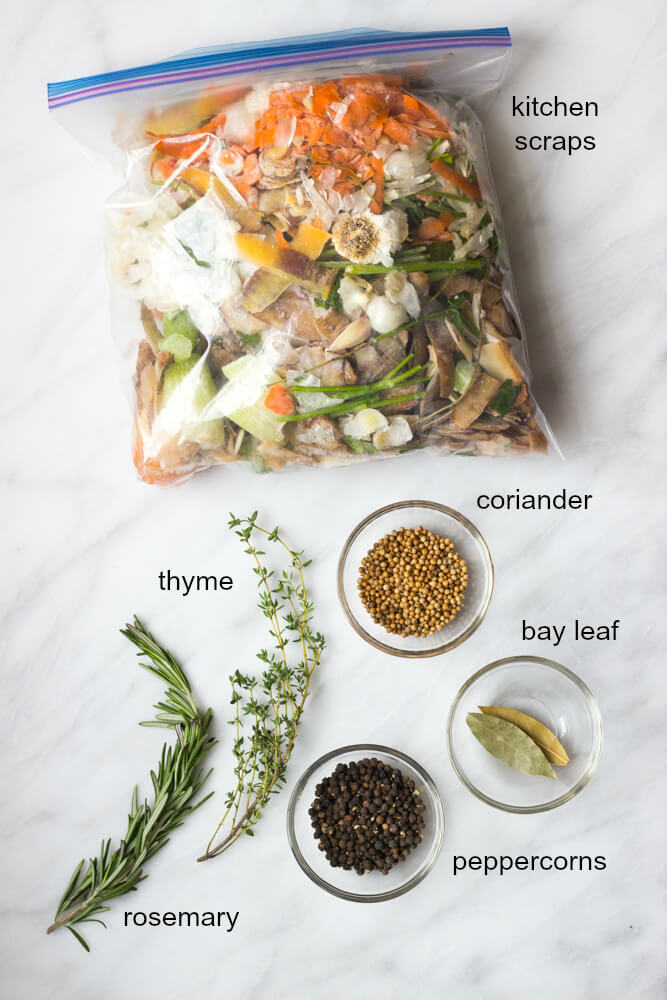
You can use many different kitchen scraps to make broth. Here are some ideas:
- Vegetable scraps: Carrot peels, onion skins, and celery leaves.
- Herbs: Stems from parsley, cilantro, or thyme.
- Meat scraps: Leftover bones or meat trimmings.
- Other scraps: Corn cobs and mushroom stems.
Credit: www.littlebroken.com
How to Collect Kitchen Scraps
Start by collecting your kitchen scraps. Here are some tips:
- Keep a container in your kitchen.
- Add scraps while you cook.
- Store scraps in the fridge if you need to save them.
- Use scraps within a week for the best flavor.
Basic Broth Recipe
Now, let’s make broth from your kitchen scraps. Follow these simple steps:
Ingredients
- Kitchen scraps (vegetables, herbs, or meat)
- Water (enough to cover the scraps)
- Salt (optional, to taste)
Instructions
- Gather your kitchen scraps.
- Put them in a large pot.
- Add enough water to cover the scraps.
- If you want, add salt for flavor.
- Bring the pot to a boil over high heat.
- Once it boils, reduce the heat to low.
- Let it simmer for at least one hour.
- For richer flavor, simmer for longer.
- Strain the broth to remove scraps.
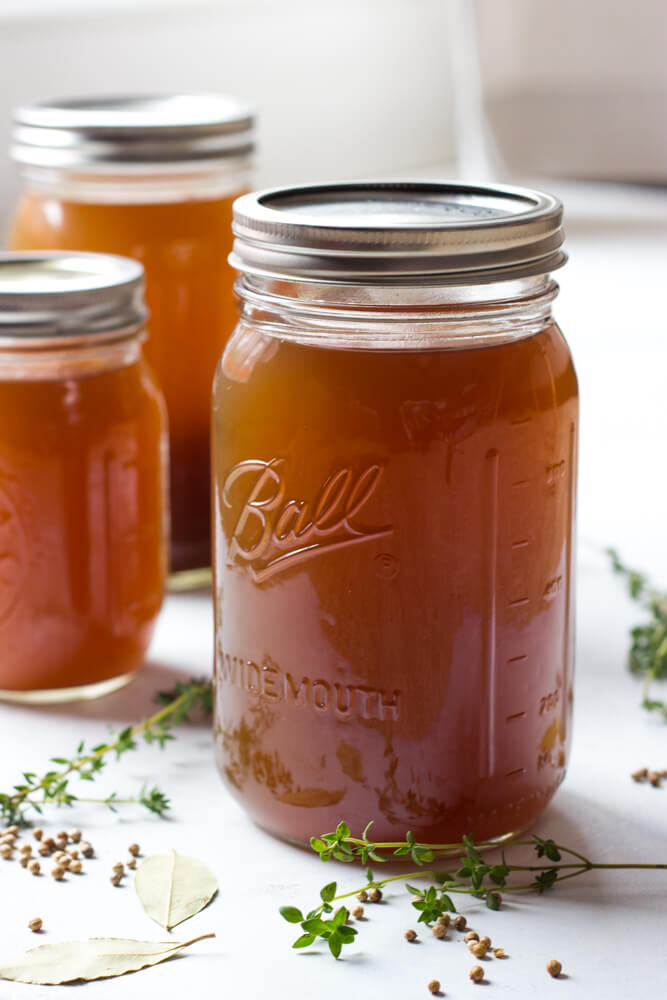
- Store the broth in jars or containers.
Tips for a Better Broth
Here are some tips to make your broth even better:
- Roast scraps: Roast bones or vegetables before adding them to the pot. It adds more flavor.
- Add acidity: Use a splash of vinegar. It helps extract nutrients from the scraps.
- Experiment: Try different combinations of scraps for unique flavors.
- Cool and store: Let broth cool before storing it in the fridge. It can last for up to a week.
Using Your Broth
Now that you have delicious broth, what can you do with it?
- Soup: Use broth as a base for your favorite soup.
- Stews: Add broth to stews for extra flavor.
- Cooking grains: Use broth to cook rice or quinoa instead of water.
- Drinks: Warm broth can be a tasty drink on its own.
Storing Your Broth
Storing broth is easy. You can freeze or refrigerate it. Here’s how:
Refrigerating
- Let the broth cool completely.
- Pour it into clean jars or containers.
- Seal tightly and store in the fridge.
- Use within one week.
Freezing
- Let the broth cool completely.
- Pour it into freezer-safe containers.
- Leave some space for expansion.
- Label with the date and type of broth.
- Freeze for up to six months.
Frequently Asked Questions
What Kitchen Scraps Can I Use For Broth?
You can use vegetable peels, onion skins, and herb stems for broth. They add flavor and nutrients.
How Long Should I Cook Broth From Scraps?
Cook broth for at least 1 to 2 hours. This helps extract flavors from the scraps.
Can I Use Meat Scraps In Broth?
Yes, meat scraps like bones and skin add rich flavor and protein. They enhance the broth’s taste.
Is Homemade Broth Healthier Than Store-bought?
Homemade broth is often healthier. You control the ingredients and avoid additives found in many store-bought options.
Conclusion
Making broth from kitchen scraps is simple and rewarding. You save money and reduce waste. Plus, you create something delicious. With just a few scraps, you can make rich, flavorful broth at home. Follow the steps in this article. Use your creativity to try different scraps and flavors. Enjoy your homemade broth in many dishes. Happy cooking!