

Installing cabinets in your kitchen can be fun. This guide will help you through each step. You will learn how to install cabinets easily. Follow this guide, and you will have beautiful cabinets soon.
Why Install Cabinets?
Cabinets are important in a kitchen. They hold your dishes, pots, and food. Good cabinets can make your kitchen look nice. They also help keep things organized. When you install cabinets, you improve your space. You make it more usable and stylish.
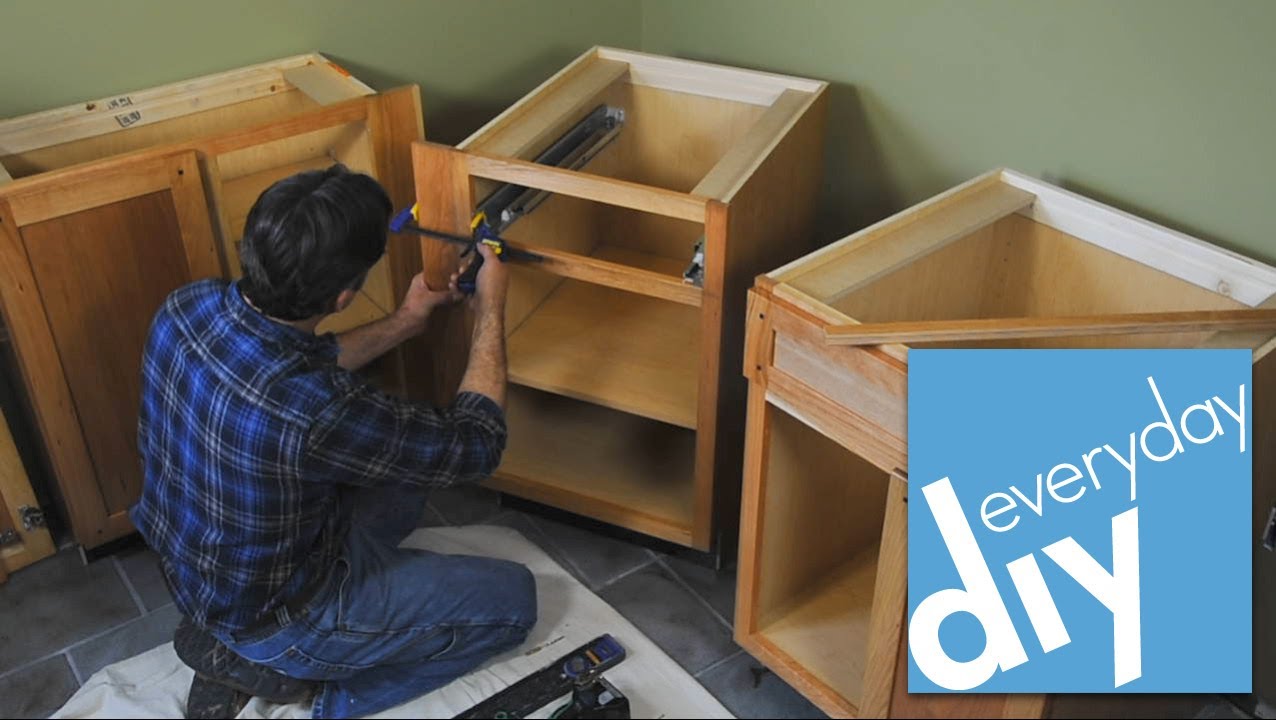
Credit: www.youtube.com
Tools You Will Need
Before you start, gather your tools. Here is a list of tools you will need:
- Drill
- Screwdriver
- Level
- Measuring tape
- Stud finder
- Clamp
- Pencil
- Safety glasses
Make sure you have all these tools ready. This will make your work easier.
Materials Needed
Next, you need to gather materials. Here are the main materials:
- Cabinets
- Screws
- Wood glue
- Brackets (if needed)
Check your cabinets. Make sure they are in good shape. Look for any damage.
Prepare Your Kitchen
Now, it is time to prepare your kitchen. Follow these steps:
- Clear out your kitchen space.
- Remove old cabinets if needed.
- Clean the walls and floors.
- Make sure the area is safe.
Preparation is very important. It helps you work better.
Measuring the Space
Now, you need to measure the space for your cabinets. Here’s how:
- Use a measuring tape.
- Measure the width of the wall.
- Measure the height from the floor to the ceiling.
- Mark these points with a pencil.
Accurate measurements are key. They help you fit the cabinets correctly.
Credit: www.cabinetcorp.com
Finding the Studs
Next, find the wall studs. Studs are strong wooden parts in the wall. Here’s how to find them:
- Use a stud finder.
- Move it along the wall.
- Mark the stud locations with a pencil.
Finding studs helps your cabinets stay strong. You will attach them to these studs.
Installing the Upper Cabinets
Now, let’s install the upper cabinets. Follow these steps:
- Ask a friend for help. Cabinets can be heavy.
- Hold the cabinet against the wall.
- Make sure it is level. Use the level tool.
- Mark where you need to drill.
- Drill holes into the marked spots.
- Attach the cabinet with screws. Use the studs you found.
Repeat these steps for each upper cabinet. Make sure they line up nicely.
Installing the Lower Cabinets
Now, it’s time for the lower cabinets. Here’s how to install them:
- Place the first cabinet in the corner.
- Make sure it is level and aligned with the wall.
- Attach it to the wall with screws.
- Use clamps to hold it in place.
- Continue with the next cabinets.
Check the level often. This will ensure they look good.
Connecting the Cabinets
After all cabinets are installed, connect them. Here’s how:
- Use screws to attach the cabinets together.
- Make sure they are tight and secure.
- Check if they are still level.
Connecting the cabinets makes them strong. It gives your kitchen a nice look.
Adding Cabinet Doors
Now, let’s add the cabinet doors. Follow these steps:
- Attach the hinges to the doors first.
- Align the doors with the cabinet frames.
- Screw the hinges into the cabinets.
Make sure the doors open and close easily. Adjust the hinges if needed.
Finishing Touches
Finally, add the finishing touches:
- Install drawer handles and knobs.
- Add any trim or molding if needed.
- Clean the cabinets to remove any dust.
These small details can make a big difference. They help your kitchen look complete.
Cleaning Up
After finishing, clean your workspace. Here’s what to do:
- Put away all tools.
- Dispose of any trash or leftover materials.
- Give your kitchen a good cleaning.
A clean space looks better. It also makes your work easier next time.
Common Mistakes to Avoid
Here are some common mistakes to avoid:
- Not measuring properly.
- Ignoring wall studs.
- Skipping the leveling step.
- Forgetting to ask for help.
By avoiding these mistakes, your installation will be better. Pay attention to each step.
Frequently Asked Questions
How Do I Measure For Kitchen Cabinets?
Start by measuring the wall space. Use a tape measure for accuracy. Note down the height, width, and depth.
What Tools Do I Need For Cabinet Installation?
Common tools include a drill, level, stud finder, and screwdriver. These help ensure a smooth installation process.
How Long Does It Take To Install Cabinets?
Installation typically takes a few hours to a couple of days. It depends on the number of cabinets and your skill level.
Should I Install Cabinets Myself Or Hire A Pro?
Consider your skill and comfort level. DIY saves money, but professionals ensure a perfect fit.
Conclusion
Installing cabinets in a kitchen is a great project. With the right tools and steps, you can do it. Remember to measure, find the studs, and level your cabinets. Don’t forget to ask for help when needed. Your kitchen will look better with new cabinets. Enjoy your beautiful, organized kitchen!
