

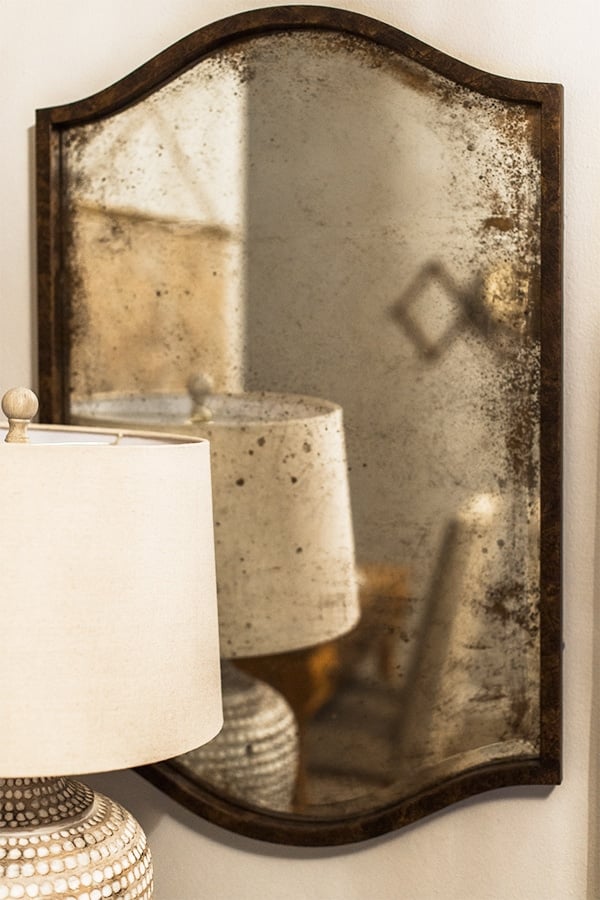
Antiquing a mirror can make it look old and special. It adds charm to your home. You can do this project at home. It is fun and easy. In this guide, we will show you how to antique a mirror step by step.
What You Need
Before we start, gather your supplies. Here is a list:
- Clear glass mirror
- Spray bottle
- Water
- White vinegar
- Black spray paint
- Rag or paper towels
- Masking tape
- Stencils (optional)
- Gloves
Step 1: Prepare the Workspace
Find a clean and open space. Lay down old newspapers or a drop cloth. This will catch any spills. Make sure the area is well-ventilated. Open windows or doors to let fresh air in.
Step 2: Clean the Mirror
Cleaning the mirror is important. Use a glass cleaner or vinegar. Spray the mirror and wipe it with a rag. Make sure there is no dust or dirt left. This will help the paint stick better.
Step 3: Protect the Edges
Use masking tape to cover the edges. This will keep the paint off the frame. It also keeps the look neat. Press the tape down well. Make sure it sticks firmly.
Step 4: Mix the Vinegar Solution
Now, take your spray bottle. Fill it halfway with water. Add the same amount of white vinegar. Shake it gently to mix. This solution will help create the antique look.
Credit: www.jennasuedesign.com
Step 5: Spray the Mirror
Hold the spray bottle about 12 inches away. Spray the mirror with the vinegar solution. Do not soak it. Just mist it lightly. This adds texture to the surface.
Step 6: Apply Black Spray Paint
Now, take the black spray paint. Shake it well before use. Start spraying the back of the mirror. Apply the paint in even layers. Let the paint dry for a few minutes.
Step 7: Add Texture
While the paint is still wet, use a rag. Dab the rag on the wet paint. This creates spots and textures. You can also use a sponge for a different look. Just be creative!
Step 8: Create the Antique Effect
Let the paint dry for about 10-15 minutes. Then, spray the vinegar solution again. This time, focus on certain areas. This will help lift some paint. The mirror will start to look aged.
Step 9: Remove the Masking Tape
Once everything is dry, carefully peel off the masking tape. Go slowly to avoid tearing the paint. Check the edges to make sure they are clean.
Step 10: Clean Up
Now it’s time to clean your workspace. Throw away old newspapers. Put away all your supplies. Make sure everything is tidy.
Step 11: Display Your Antique Mirror
Your antique mirror is now ready! Find a nice spot to hang it. It can be in the living room, hallway, or bedroom. It will add character to any room.
Tips for the Best Results
Here are some tips to make your antique mirror even better:
- Practice on a smaller mirror first.
- Try different colors of paint.
- Experiment with the vinegar solution.
- Use stencils for cool designs.
- Be patient while drying.

Credit: m.youtube.com
Common Mistakes to Avoid
Sometimes, things may not go as planned. Here are common mistakes to avoid:
- Using too much paint can make it messy.
- Not shaking the spray paint well.
- Skipping the cleaning step.
- Removing tape too soon.
Final Thoughts
Antiquing a mirror is a fun project. It allows you to be creative. You can make something unique. With simple steps, you can transform a regular mirror. Enjoy your new antique mirror!
Remember, practice makes perfect. Don’t be afraid to try again. You will get better each time. Soon, you will be able to antique many mirrors!
Thank you for reading this guide on how to antique a mirror. We hope you found it helpful. Now, go ahead and create your own masterpiece!
Frequently Asked Questions
What Materials Do I Need To Antique A Mirror?
You will need vinegar, water, a spray bottle, and a sponge. Optional: paint for added texture.
Can I Use Any Mirror For Antiquing?
Most mirrors work well, but avoid those with special coatings. Plain glass mirrors are best.
How Long Does It Take To Antique A Mirror?
The process usually takes 1 to 3 hours, depending on the desired effect.
Is It Safe To Antique A Mirror At Home?
Yes, it is safe if you follow instructions and use protective gear. Always work in a well-ventilated area.
