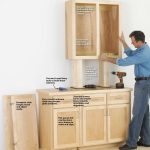

Changing the layout of your kitchen can be exciting. One common change is moving the stove. But do you need a permit? This question is important for any homeowner. Let’s explore the reasons why you might need a permit. We will also look at the steps you should take.

Credit: fontanarchitecture.com
Understanding Permits
A permit is a legal document. It allows you to do certain work on your home. Permits help ensure safety. They make sure that work is done correctly. Each city or county has its own rules. These rules can be different. It is important to know your local laws.
Why You Might Need a Permit
When you move a stove, you may need a permit. Here are some reasons why:
- Electrical Work: Stoves need power. If you move your stove, you may need to change the electrical outlet. This often requires a permit.
- Gas Lines: If you have a gas stove, moving it may affect the gas lines. This work usually requires a permit. Gas lines must be safe.
- Ventilation: Your stove needs proper ventilation. If you change its location, you might need to install new vents. This can require a permit.
- Building Codes: Each area has building codes. These codes ensure safety. Moving a stove may not meet these codes without a permit.
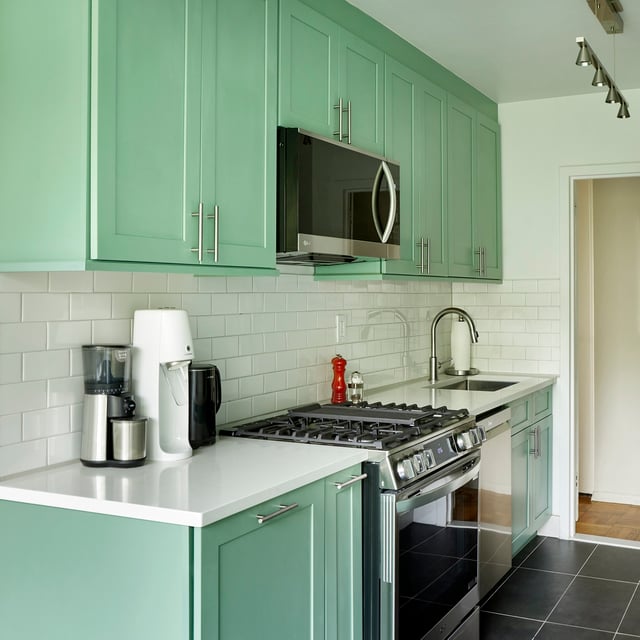
Credit: www.blockrenovation.com
When a Permit May Not Be Needed
Sometimes, you may not need a permit. Here are a few cases:
- Same Location: If you move your stove to the same spot, you may not need a permit.
- Minor Changes: Small changes that do not affect gas or electrical systems may not need a permit.
How to Find Out If You Need a Permit
To find out if you need a permit, follow these steps:
- Check Local Laws: Visit your city or county website. Look for building department information.
- Call the Office: Contact your local building office. Ask if you need a permit for your stove relocation.
- Consult a Professional: A contractor can help. They know the local rules.
Steps to Take Before Moving Your Stove
Before moving your stove, consider these steps:
- Plan the New Layout: Visualize where the stove will go. Make sure it fits well in your kitchen.
- Check Utilities: See where the electrical and gas lines are. Know what needs to be moved.
- Hire a Professional: If you are unsure, hire an electrician or plumber. They can help with safety.
Possible Costs Involved
Moving a stove may involve costs. Here are some potential expenses:
- Permit Fees: Some areas charge for permits. Fees can vary.
- Labor Costs: Hiring professionals can add to costs. Electricians and plumbers charge for their work.
- Material Costs: You may need new wires, pipes, or vents. These can add up.
Benefits of Getting a Permit
There are many benefits to getting a permit:
- Safety: Permits ensure work is done safely. This protects you and your family.
- Insurance: Some insurance companies require permits. This helps with claims.
- Resale Value: If you sell your home, permits can help. Buyers like knowing work was done legally.
Consequences of Not Getting a Permit
Not getting a permit can lead to problems:
- Fines: You may face fines from your local government.
- Insurance Issues: If something goes wrong, your insurance may not cover it.
- Legal Problems: You may have to redo work to meet codes.
Frequently Asked Questions
Do I Need A Permit To Move My Stove?
Yes, moving a stove often requires a permit. Local laws vary.
What Permits Are Needed For Relocating A Stove?
You may need a plumbing or electrical permit. Check local regulations.
How Long Does It Take To Get A Stove Permit?
Getting a stove permit can take a few days. It depends on your area.
Can I Relocate My Stove Without A Professional?
It’s risky to move a stove without help. Professional assistance is safer.
Conclusion
Deciding to move your stove is a big step. It can change your kitchen’s look and feel. However, always check if you need a permit. Local laws can be strict. Following the rules keeps everyone safe. It also protects your investment.
Before you start, plan carefully. Understand the costs and steps involved. Always consider hiring professionals. They can ensure the work is done safely and correctly. In the end, doing things right is worth it. Your kitchen will be beautiful and safe.
Remember, knowledge is power. The more you know, the better decisions you can make. Happy cooking in your newly arranged kitchen!