


Are you tired of your old kitchen sink faucet? Is it leaking or not working well? Replacing it can be easy. You can do it yourself. This guide will help you step by step.
Why Replace Your Kitchen Sink Faucet?
There are many reasons to replace a kitchen sink faucet. Here are some common ones:
- It leaks water.
- It is hard to turn on.
- It looks old and worn.
- You want a new style.
Tools You Will Need
Before starting, gather your tools. Here is a list:
- Adjustable wrench
- Plumber’s tape
- Screwdriver
- Bucket
- Rags or towels
- New faucet

Credit: www.youtube.com
Step 1: Prepare Your Area
Before you start, prepare your area. Clear out under the sink. Remove any items that may get in the way. This will give you space to work.
Step 2: Turn Off the Water Supply
Look for the water supply valves. They are usually under the sink. Turn them to the right to close them. This will stop the water flow.
Step 3: Drain the Faucet
Next, turn on the faucet. Let the water run until it stops. This will help drain any water left in the pipes.
Step 4: Place a Bucket Under the Sink
Put a bucket under the sink. This will catch any water that may drip. It helps keep your area clean.
Step 5: Disconnect the Old Faucet
Now, it’s time to disconnect the old faucet. Find the nuts that hold the faucet in place. Use the adjustable wrench to loosen them. Turn them to the left. Be careful not to drop them.
Step 6: Remove the Old Faucet
Once the nuts are loose, you can remove the faucet. Pull it out carefully. If it is stuck, gently wiggle it. Make sure to remove any old plumber’s tape. Clean the area well.
Step 7: Install the New Faucet
Now, take your new faucet. Place it in the same hole where the old one was. Make sure it fits well. Then, screw the nuts back on. Use your wrench to tighten them. But do not over-tighten.
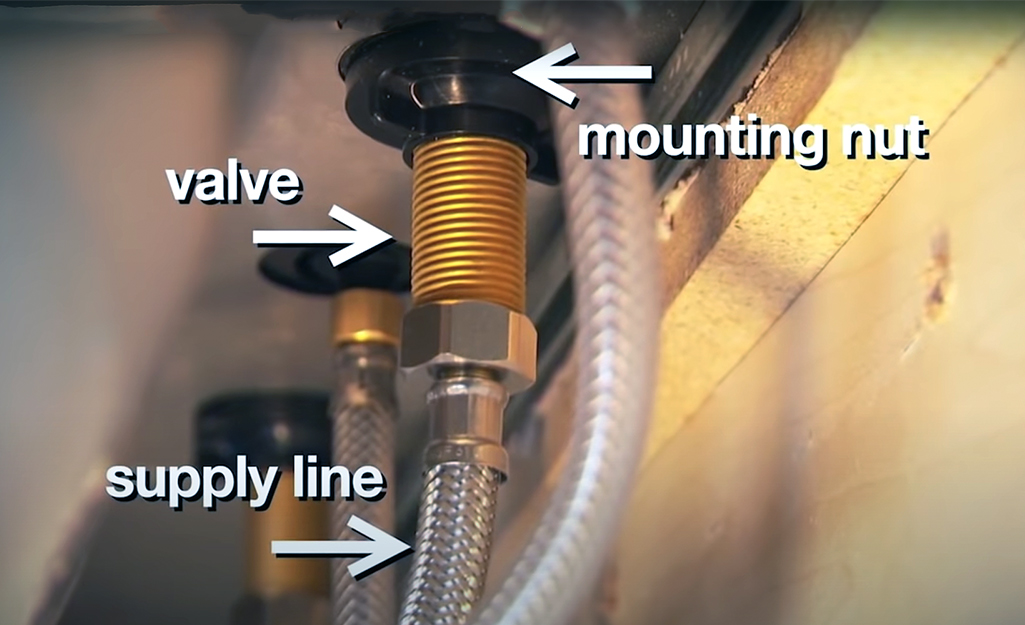
Step 8: Connect the Water Supply Lines
Next, find the water supply lines. These are usually two pipes under the sink. Connect them to your new faucet. Turn them to the right to tighten. Use plumber’s tape on the threads. This helps prevent leaks.
Credit: www.homedepot.com
Step 9: Turn On the Water Supply
Now it’s time to turn on the water supply. Go back to the valves. Turn them to the left. This will let water flow back to the faucet.
Step 10: Test the New Faucet
Turn on your new faucet. Check for leaks. If you see any water dripping, turn it off. Tighten the nuts again if needed. Test it again.
Step 11: Clean Up
Once you are sure there are no leaks, clean your area. Remove the bucket and any tools. Put back any items you removed earlier. Your kitchen should look nice again.
Tips for a Successful Faucet Replacement
Here are some helpful tips:
- Read the instructions that come with your new faucet.
- Take photos of the old faucet before removing it. This helps you remember how to install the new one.
- If you feel stuck, ask a friend for help.
- Do not rush. Take your time to do it right.
Frequently Asked Questions
How Do I Know If My Faucet Needs Replacement?
Look for leaks, low water pressure, or noise. These signs often mean it’s time for a new faucet.
What Tools Do I Need To Replace A Kitchen Faucet?
You will need a basin wrench, adjustable wrench, plumber’s tape, and a screwdriver.
Can I Replace A Faucet Without Professional Help?
Yes, many homeowners can replace faucets themselves with basic tools and instructions.
How Long Does It Take To Replace A Kitchen Faucet?
Typically, it takes about one to two hours, depending on your experience.
Conclusion
Replacing a kitchen sink faucet is a great home project. It can save you money. You can do it yourself with the right tools and steps. Follow this guide and enjoy your new faucet!