
Many people wonder about plumbing rules in California. One common question is about air gaps in kitchen sinks. An air gap is a space. It helps prevent dirty water from going back into clean water. This article explains what an air gap is. It also covers if California law requires it.
What is an Air Gap?
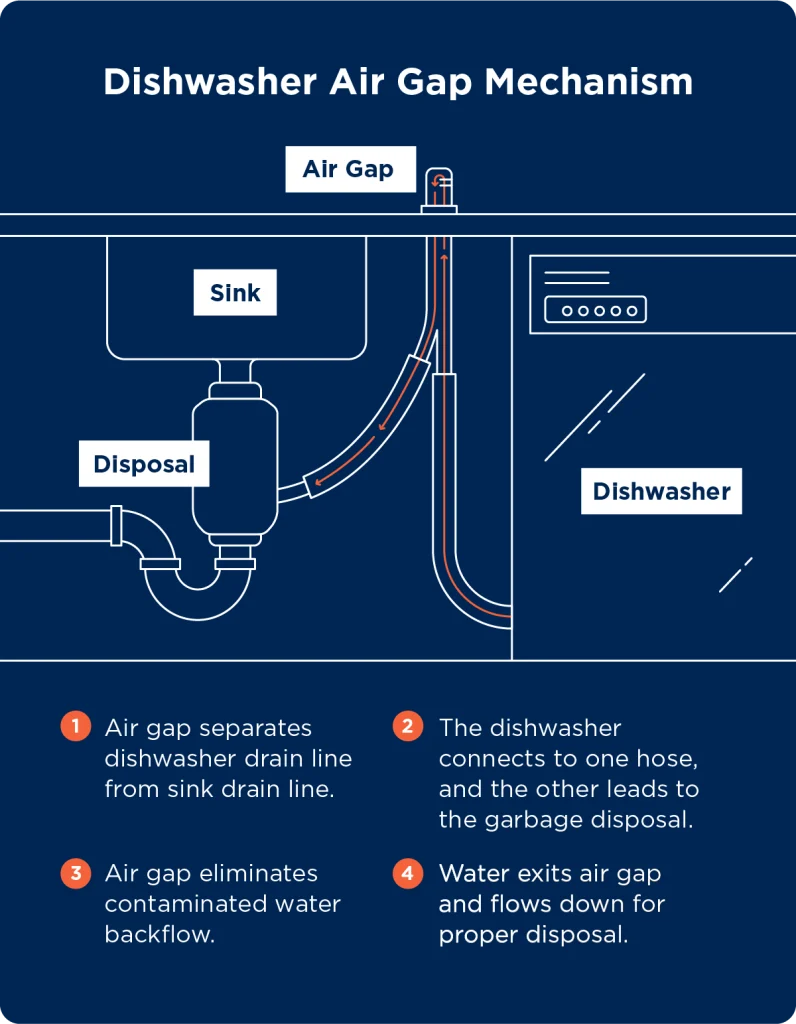
An air gap is a simple device. It stops contamination. When water runs through a sink, it can create a problem. If dirty water mixes with clean water, it can cause health issues. An air gap helps keep these waters separate. It is often seen in dishwashers and sinks.
Credit: www.mrappliance.com
Why is an Air Gap Important?
There are many reasons why an air gap is important:
- Health Safety: It keeps drinking water safe.
- Prevents Backflow: It stops dirty water from flowing back.
- Regulatory Requirement: It follows plumbing codes.
- Easy to Install: It is simple to add to any sink.
California Plumbing Code
California has strict plumbing codes. These codes help ensure safe and clean water systems. The California Plumbing Code is the main guide. It covers many rules. One rule is about air gaps. According to this code, air gaps are often required.
Where Is An Air Gap Required?
Air gaps are usually needed in these areas:
- Kitchen Sinks: Especially when a dishwasher is present.
- Food Preparation Areas: Where food is washed and cooked.
- Commercial Sinks: In restaurants and food service.
Exceptions To The Rule
Sometimes, there are exceptions. Not every sink needs an air gap. Some systems may use a different method to prevent backflow. For example, a vacuum breaker can work. A vacuum breaker is another device. It also helps keep water safe. However, the air gap is often the best choice.
How to Install an Air Gap
Installing an air gap is quite simple. Here are the steps to follow:
- First, choose a good location for the air gap.
- Next, make sure to turn off the water supply.
- Then, connect the air gap to the sink drain.
- After that, connect the dishwasher line to the air gap.
- Finally, turn the water back on and check for leaks.
Cost of an Air Gap
Adding an air gap is usually not very expensive. The cost can vary based on a few things:
- Type of Air Gap: Some models are cheaper than others.
- Labor Costs: Hiring a plumber may cost more.
- Location: Prices can differ by area.
Common Questions About Air Gaps
1. Can I Use A High Loop Instead Of An Air Gap?
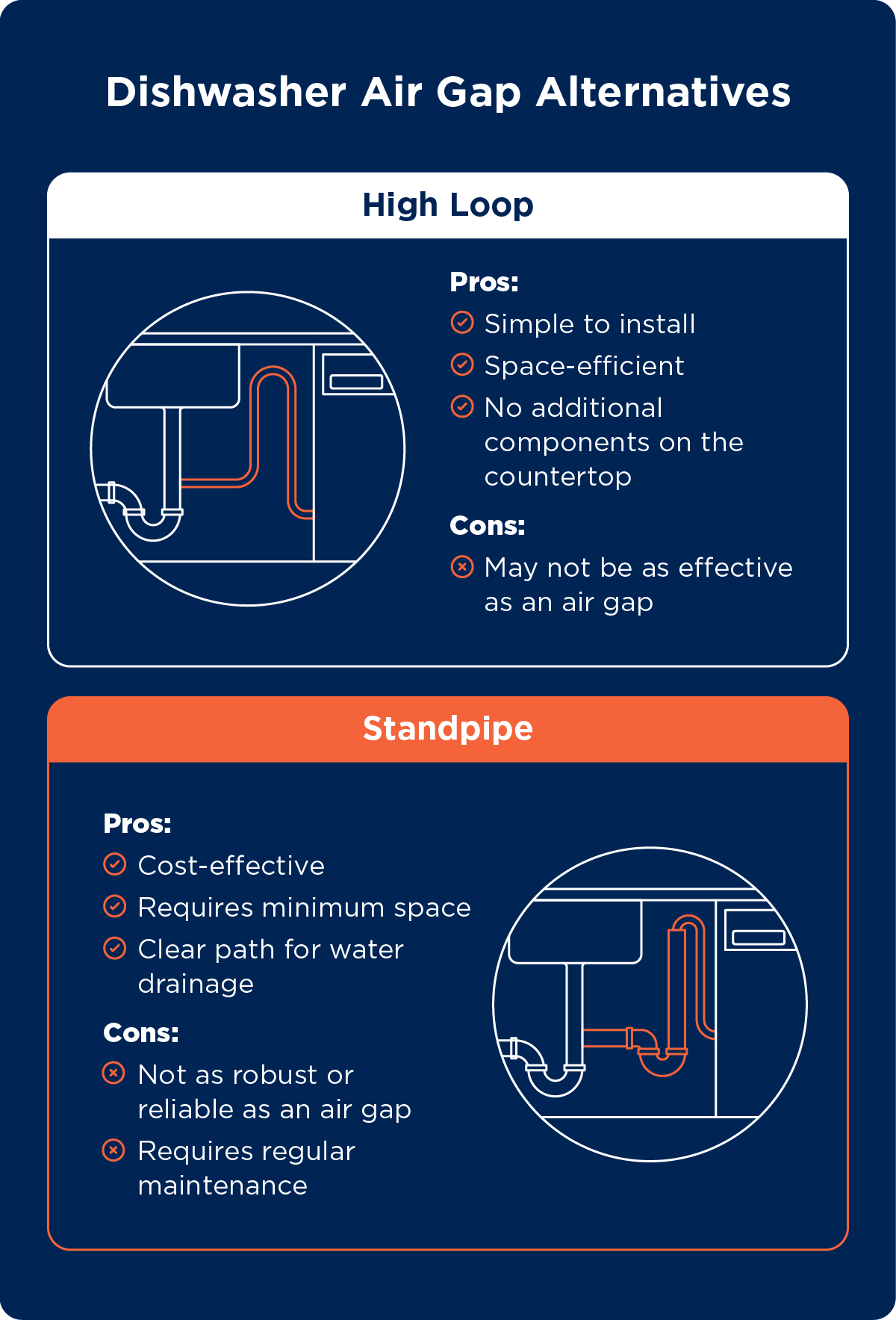
A high loop is another option. It raises the hose to prevent backflow. However, California often prefers air gaps.
2. What Happens If I Don’t Install An Air Gap?
If you skip the air gap, you may face problems. Contaminated water can mix with clean water. This can lead to serious health risks.
3. Are Air Gaps The Same As Backflow Preventers?
No, they are not the same. Air gaps are a type of backflow prevention. But backflow preventers can be different devices.
Frequently Asked Questions
Does California Require An Air Gap For Kitchen Sinks?
Yes, California code mandates an air gap in kitchen sinks to prevent backflow.
What Is An Air Gap In Plumbing?
An air gap is a space between the sink and the drain. It stops dirty water from flowing back.
Why Is An Air Gap Necessary?
An air gap prevents contamination of clean water. It’s a safety measure for public health.
How Does An Air Gap Work?
An air gap creates a physical barrier. It stops wastewater from entering the clean water system.
Conclusion
In California, air gaps are usually required. They help keep drinking water safe. Installing an air gap is simple and cost-effective. If you have a kitchen sink or a dishwasher, consider adding one. Protecting your family’s health is important. Always follow California Plumbing Code for safe water practices.
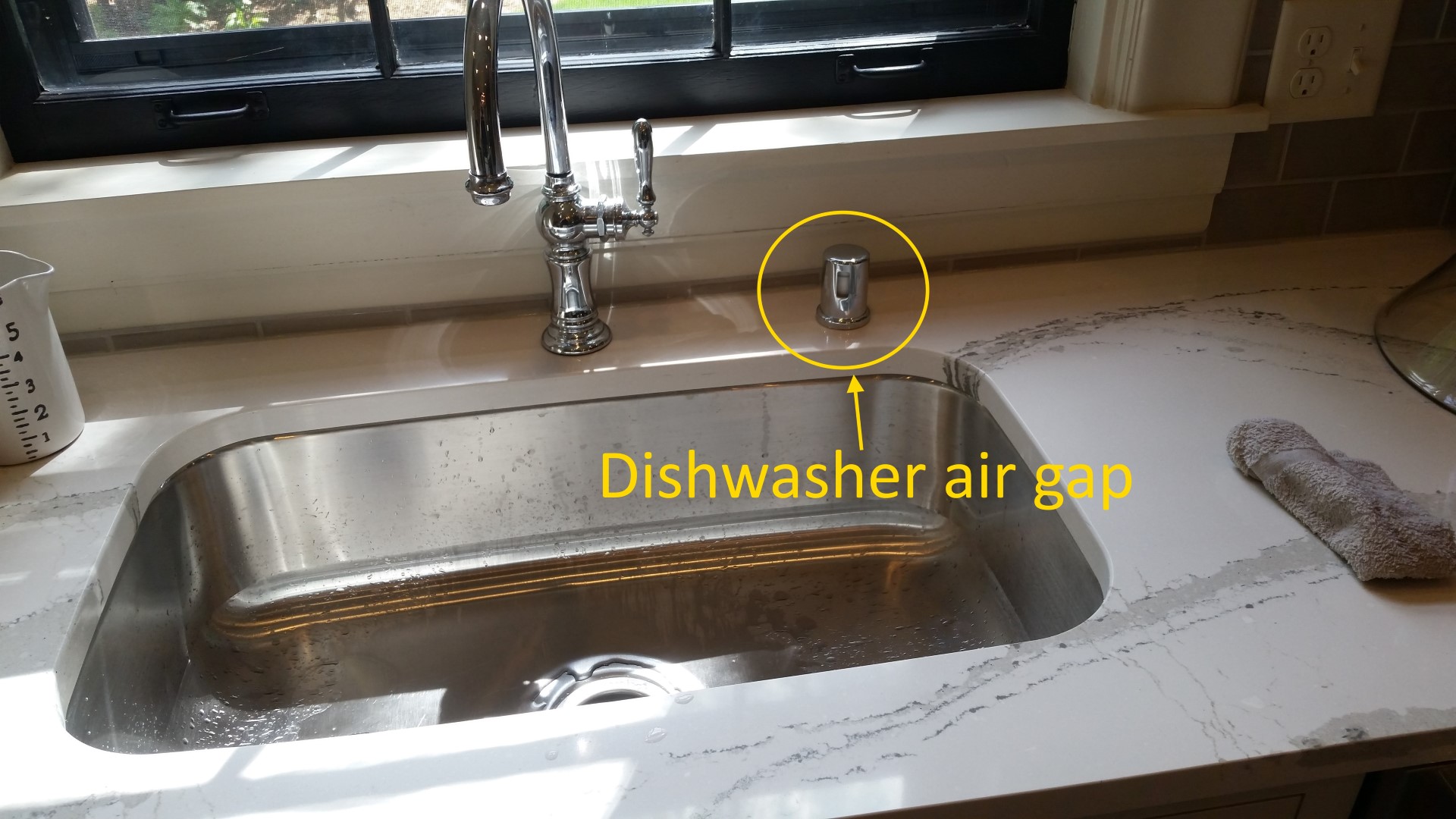
Credit: www.parkroadkitchen.com
Final Thoughts
Understanding plumbing codes can be tricky. But knowing about air gaps is essential. They play a vital role in keeping water clean. If you have questions, consult a plumber. They can give you the best advice for your home.