
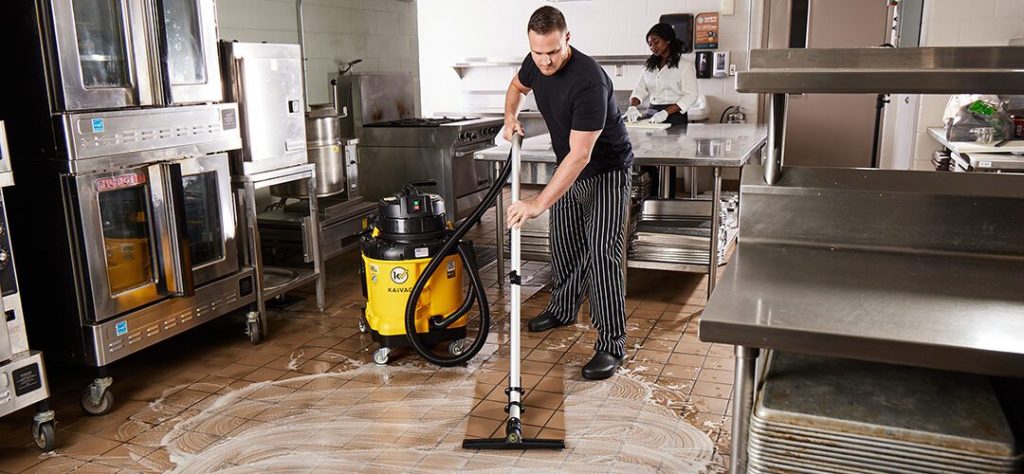

Kitchen sanitation is very important. It helps keep food safe. But what is an outbreak? An outbreak is when many people get sick from the same food. This can happen in restaurants, homes, or anywhere food is served. Understanding outbreaks can help us keep our kitchens clean and safe.
Credit: www.cdc.gov
What Causes an Outbreak?
Many things can cause outbreaks. Here are some common reasons:
- Bacteria: Tiny living things that can make us sick.
- Viruses: These can spread easily from person to person.
- Parasites: These are organisms that need a host to live.
- Unsafe food handling: Touching food with dirty hands.
- Improper cooking: Not cooking food to the right temperature.
Common Outbreaks in the Kitchen
Many outbreaks can happen in kitchens. Here are some examples:
- Salmonella: Often found in raw chicken and eggs.
- E. coli: Can be in undercooked beef or unwashed vegetables.
- Norovirus: This virus spreads quickly in crowded places.
- Listeria: Can grow in refrigerated foods, like deli meats.
Signs of an Outbreak
How do we know an outbreak is happening? Here are some signs:
- Many people get sick at the same time.
- People have similar symptoms.
- The sickness is linked to a specific food.
Credit: culinaryservicesgroup.com
Preventing Outbreaks in the Kitchen
It is important to prevent outbreaks. Here are some simple ways to do this:
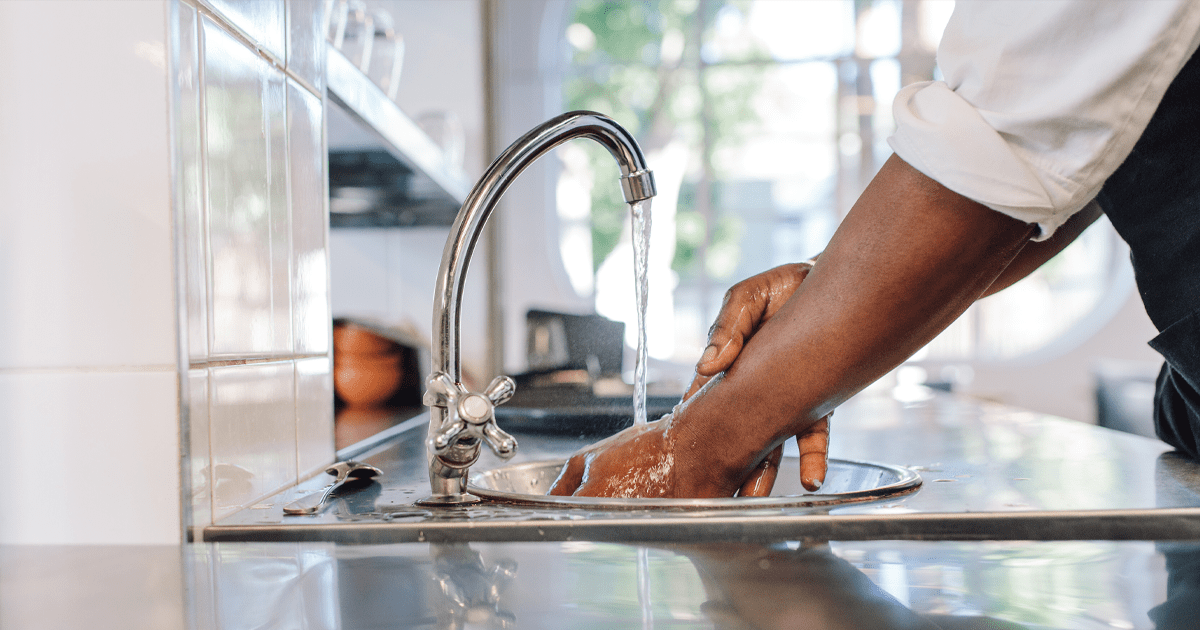
1. Clean Hands
Always wash your hands before cooking. Use soap and warm water. Wash for at least 20 seconds.
2. Clean Surfaces
Wipe down kitchen surfaces. Use disinfectant wipes or sprays. Make sure to clean cutting boards and countertops.
3. Cook Food Properly
Cook food to the right temperature. Use a food thermometer to check. For example, cook chicken to 165°F.
4. Store Food Safely
Keep food at safe temperatures. Refrigerate leftovers within two hours. Store raw meat separately from other foods.
5. Avoid Cross-contamination
Use separate cutting boards for meat and vegetables. This helps stop germs from spreading.
Responding to an Outbreak
If an outbreak happens, quick action is important. Here are steps to take:
1. Identify The Source
Find out what food made people sick. This helps prevent more sickness.
2. Notify Authorities
Tell local health officials about the outbreak. They can help manage the situation.
3. Stop Serving The Food
If you think a food is unsafe, stop serving it. This helps protect others.
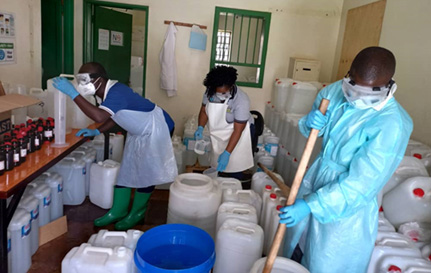
4. Clean And Disinfect
Thoroughly clean the kitchen. Use strong disinfectants to kill germs.
5. Educate Staff
Teach kitchen staff about sanitation. Make sure everyone knows safe practices.
Frequently Asked Questions
What Is An Outbreak In Kitchen Sanitation?
An outbreak in kitchen sanitation refers to the sudden increase of foodborne illnesses linked to a specific place or food.
How Can Outbreaks Be Prevented In Kitchens?
Outbreaks can be prevented by maintaining clean surfaces, cooking food properly, and practicing good hygiene.
What Are The Signs Of A Kitchen Sanitation Outbreak?
Signs include multiple people getting sick after eating the same food and unusual contamination reports.
Why Is Kitchen Sanitation Important During An Outbreak?
Kitchen sanitation helps stop the spread of germs and ensures food safety for everyone.
Conclusion
Understanding outbreaks is key in kitchen sanitation. Outbreaks can make many people sick. But we can prevent them. By following simple steps, we can keep our kitchens safe. Clean hands, clean surfaces, and proper cooking are essential. Everyone plays a role in kitchen safety. Together, we can ensure that our food is safe to eat.
Resources for More Information
If you want to learn more about kitchen sanitation and outbreaks, check these resources:
By using these resources, you can better understand kitchen sanitation. Stay informed and stay safe!