
Welcome, fellow gardeners! If you’re passionate about nurturing a thriving and healthy vegetable patch, then you already know the magic of good soil. But what if I told you there’s an easy way to boost your garden’s health, suppress weeds, retain moisture, and even regulate soil temperature? That’s right, we’re talking about organic mulch for vegetable gardens! Choosing the right natural mulch can make a huge difference in your harvest, transforming your gardening experience. Dive into our top picks for the best eco-friendly garden solutions that will help your veggies flourish.
Quick Product Comparison
Our Top 5 Organic Mulch For Vegetable Garden Reviews – Expert Tested & Recommended
1. PJT Organic Biodegradable Garden Straw Mulch for Vegetable Gardens & Landscaping, Weed-Free, 0.5 cu ft (4 lbs)
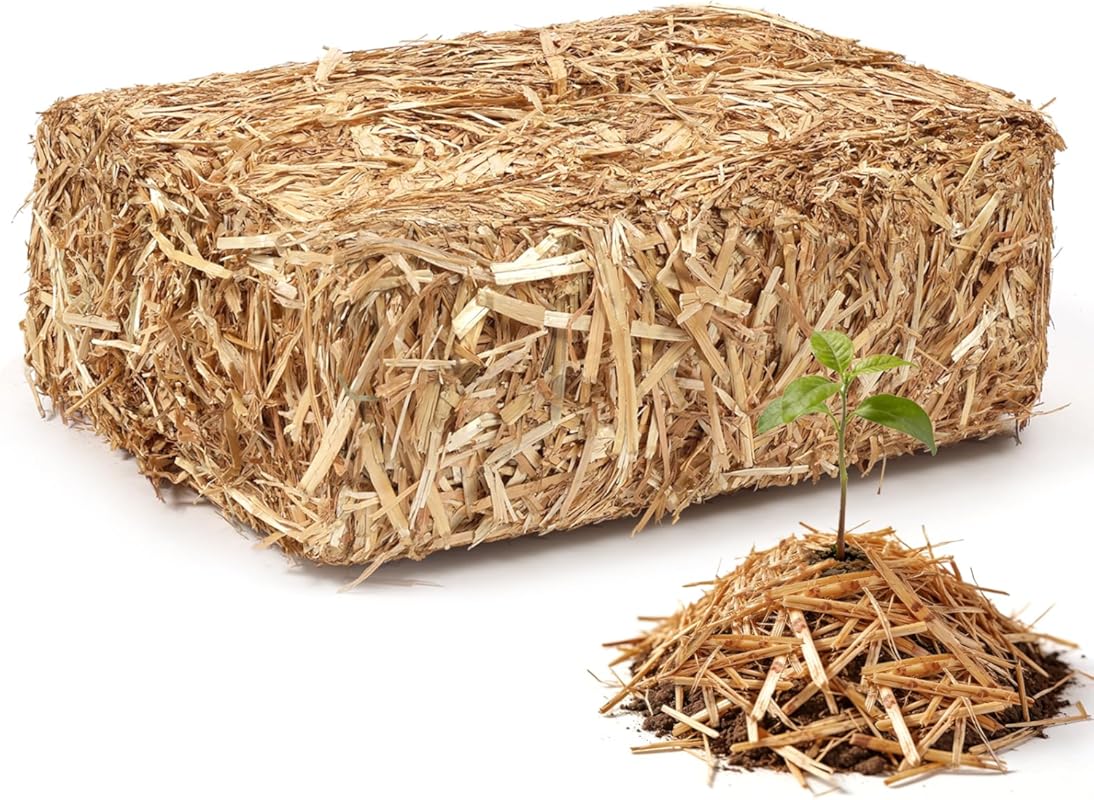
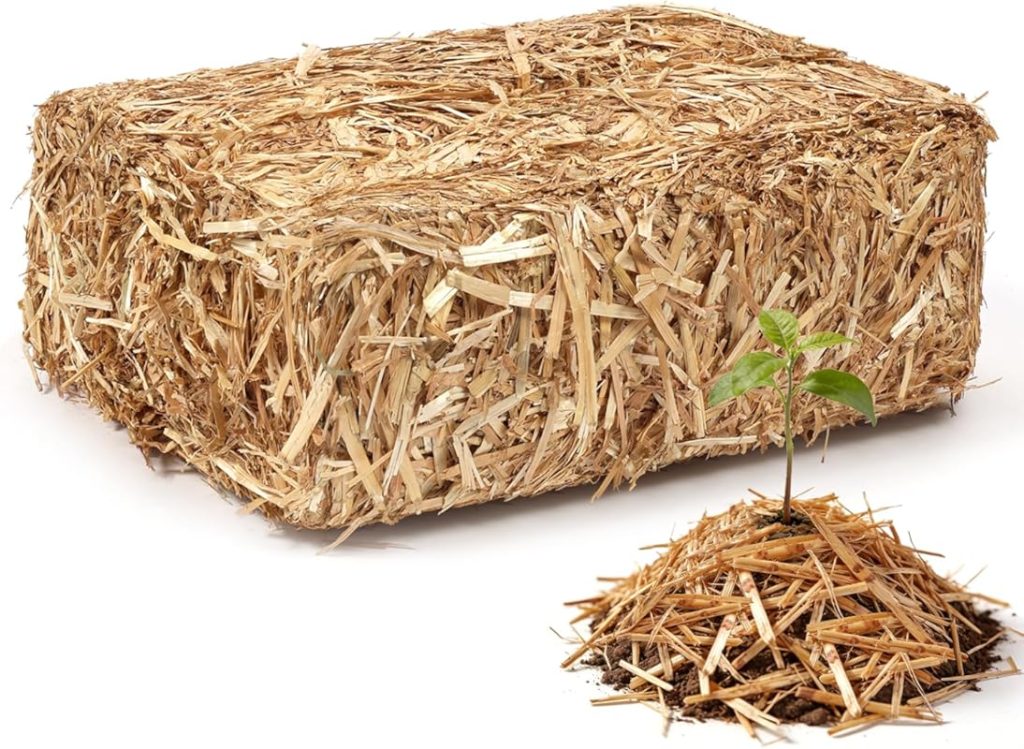
This PJT Organic Garden Straw Mulch is a fantastic option for anyone looking for a reliable, all-natural solution for their vegetable beds. Made from 100% natural wheat straw, it’s designed to give your garden a gentle yet powerful protective layer. Its biodegradable nature means it enriches your soil as it breaks down, making it a truly sustainable gardening choice.
Key Features That Stand Out
- ✓ All-Natural Wheat Straw: Composed entirely of natural wheat straw, ensuring a chemical-free environment for your edibles.
- ✓ All-Season Soil & Seed Protection: Forms a stable, interlocking layer when watered, protecting soil from erosion and safeguarding seeds.
- ✓ Seed and Weed-Free: Undergoes multiple filtering processes to remove unwanted grains and weed seeds, preventing new growth.
- ✓ Weed Suppression: Effectively blocks sunlight to suppress existing weeds and prevent new ones from sprouting.
Why We Recommend It
We recommend the PJT Organic Garden Straw because it’s incredibly effective at common gardening challenges like weed control and moisture retention. Its ability to bond together after watering creates a sturdy barrier, which is excellent for new plantings and established vegetable patches alike. Plus, knowing it’s weed-free organic mulch provides great peace of mind.
Best For
This mulch is best for gardeners seeking an organic, weed-free solution for vegetable beds, new seed starting areas, and general landscaping where natural soil enrichment is desired.
Pros and Cons
Pros:
- Excellent for weed suppression without chemicals.
- Helps retain crucial soil moisture, reducing watering needs.
- Biodegradable, improving soil structure as it decomposes.
- Specifically processed to be seed and weed-free.
Cons:
- Can be lightweight and prone to blowing away before watering.
- May require a thicker layer for optimal weed control.
Customer Reviews
Customer Review: “I used this straw mulch in my raised garden beds this year and I’m really impressed! It kept the weeds down significantly and my plants seem much happier. It was easy to spread and stayed put after the first rain. Definitely buying again.” – Sarah K.
Customer Review: “As a beginner gardener, I was looking for something natural to help my veggies. This straw mulch did exactly what it promised. My soil stayed moist, and I pulled far fewer weeds. The small size was perfect for my urban garden.” – Mark T.
2. Organic All-Natural Shredded Mulch, OMRI Listed, Eco-Friendly for Gardens, Flower Beds, Landscaping (1.5 cu ft)
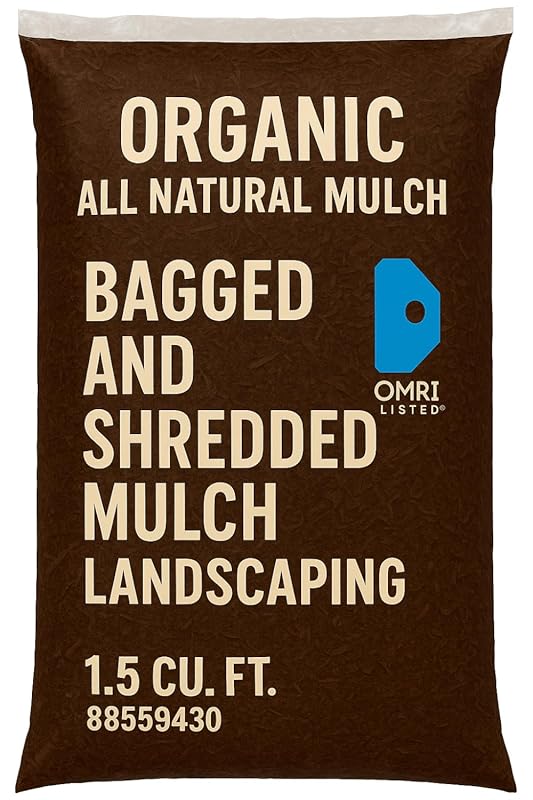
If you’re looking for a versatile and truly organic mulch for your vegetable garden, this shredded option is a prime contender. It’s OMRI Listed, which means it meets rigorous standards for organic production, making it a reliable choice for your edible plants. This eco-friendly mulch is designed not only for vegetable beds but also works wonderfully in flower beds and general landscaping.
Key Features That Stand Out
- ✓ OMRI Listed: Certified for organic use, ensuring it’s free from synthetic chemicals and harmful additives.
- ✓ All-Natural Shredded Material: Provides a natural, rustic aesthetic while offering excellent soil benefits.
- ✓ Versatile Application: Suitable for a wide range of garden uses, including vegetable patches, flower beds, and general landscape areas.
- ✓ Eco-Friendly: Made from sustainable resources, promoting environmental responsibility in your gardening practices.
Why We Recommend It
This shredded mulch earns our Editor’s Choice because of its OMRI certification, which is a gold standard for organic gardening. Its all-natural composition and versatility make it an excellent investment for gardeners who prioritize both plant health and environmental sustainability. It’s a workhorse for maintaining soil health and suppressing weeds in any part of your garden.
Best For
This mulch is ideal for organic vegetable gardeners and anyone seeking a certified organic, versatile, and aesthetically pleasing shredded mulch for various garden applications.
Pros and Cons
Pros:
- OMRI Listed provides strong assurance for organic gardening.
- Excellent moisture retention and weed control for healthy plants.
- Adds organic matter to the soil as it decomposes.
- Attractive appearance for both vegetable and ornamental beds.
Cons:
- Shredded texture might be less uniform than straw for some uses.
- Initial application can be a bit dusty.
Customer Reviews
Customer Review: “I love that this mulch is OMRI listed. It gives me confidence that I’m putting nothing but good stuff into my organic vegetable garden. It spreads easily and looks great, plus my plants are definitely happier with it.” – David L.
Customer Review: “Used this for my raised beds and it’s fantastic. Keeps the soil moist during hot spells and has definitely helped cut down on weeds. It also smells wonderful, like fresh earth.” – Emily R.
3. PJT Organic Biodegradable Garden Straw Mulch for Vegetable Gardens & Landscaping, Weed-Free, 1 cu ft (8 lbs)
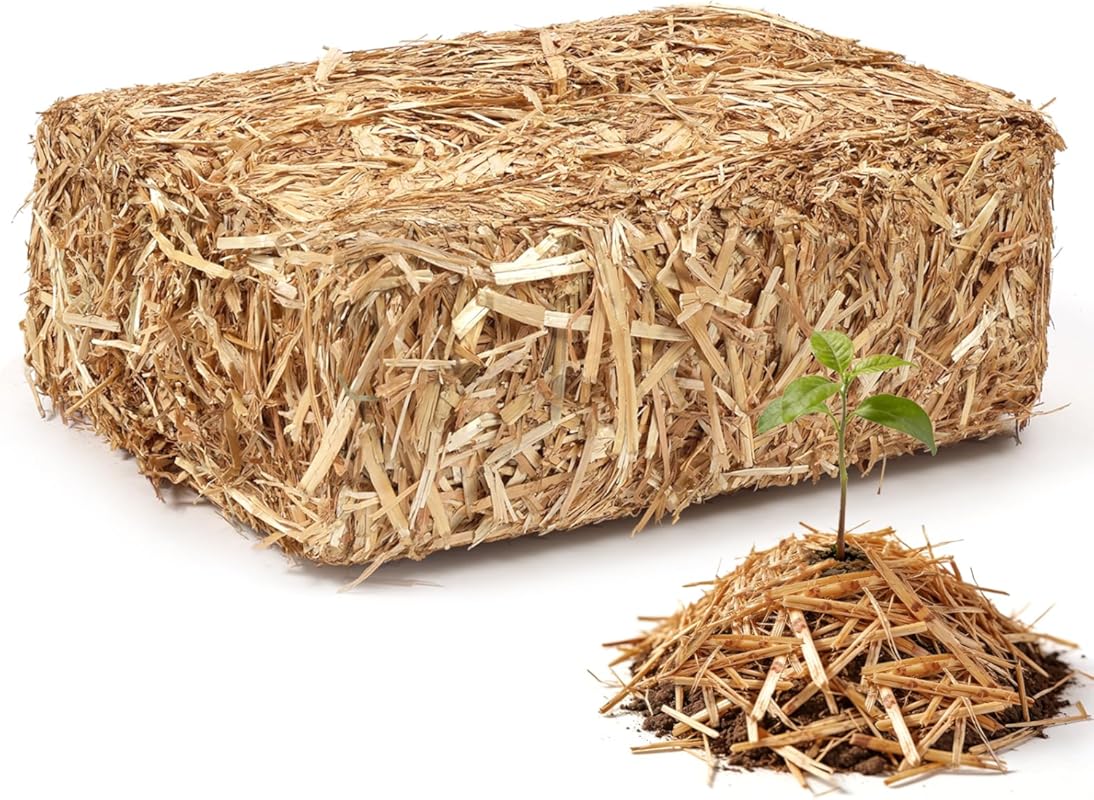
For those mindful of their gardening budget without compromising on quality, the larger 1 cu ft (8 lbs) bag of PJT Organic Biodegradable Garden Straw Mulch is an excellent choice. It offers all the fantastic benefits of the smaller size but provides more coverage for a better value. This wheat straw mulch is a simple yet powerful tool for weed management and soil health in your vegetable garden.
Key Features That Stand Out
- ✓ Larger Volume for Value: Offers 1 cu ft of mulch, providing more coverage for bigger gardening projects.
- ✓ 100% Natural Wheat Straw: Pure, chemical-free straw ensures a safe environment for edible plants.
- ✓ Seed and Weed Free: Processed to eliminate unwanted seeds, preventing volunteer grains and weeds.
- ✓ Excellent Soil Protection: Forms a cohesive layer when wet, retaining moisture and moderating soil temperature.
Why We Recommend It
This PJT straw mulch earns our Best Budget spot because it delivers premium organic mulch benefits at a more economical price point for its volume. It’s incredibly effective for weed suppression and moisture retention, vital for a thriving vegetable garden, making it a smart investment for any gardener looking for efficiency and natural care.
Best For
Ideal for gardeners with larger vegetable plots, raised beds, or those who need ample coverage for organic weed control and soil protection without overspending.
Pros and Cons
Pros:
- Great value for the amount of organic wheat straw mulch provided.
- Highly effective at suppressing weeds and retaining soil moisture.
- Biodegradable material enriches the soil over time.
- Weed and seed-free guarantee simplifies gardening.
Cons:
- Can be somewhat messy during initial application.
- May need reapplication after a few months depending on decomposition rate.
Customer Reviews
Customer Review: “I used the larger bag for my extensive raised beds and it covered so much more than I expected for the price. My vegetables thrived with fewer weeds and I barely had to water. Great natural product!” – Robert S.
Customer Review: “As someone trying to garden on a budget, this straw mulch is a lifesaver. It does a fantastic job keeping weeds out of my squash and tomato plants, and it breaks down nicely. Highly recommend for economical organic gardening.” – Jessica P.
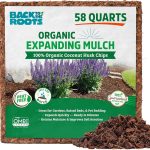
4. Back to the Roots 100% Organic Expanding Coconut Husk Mulch Block for Gardening, 58 Quart
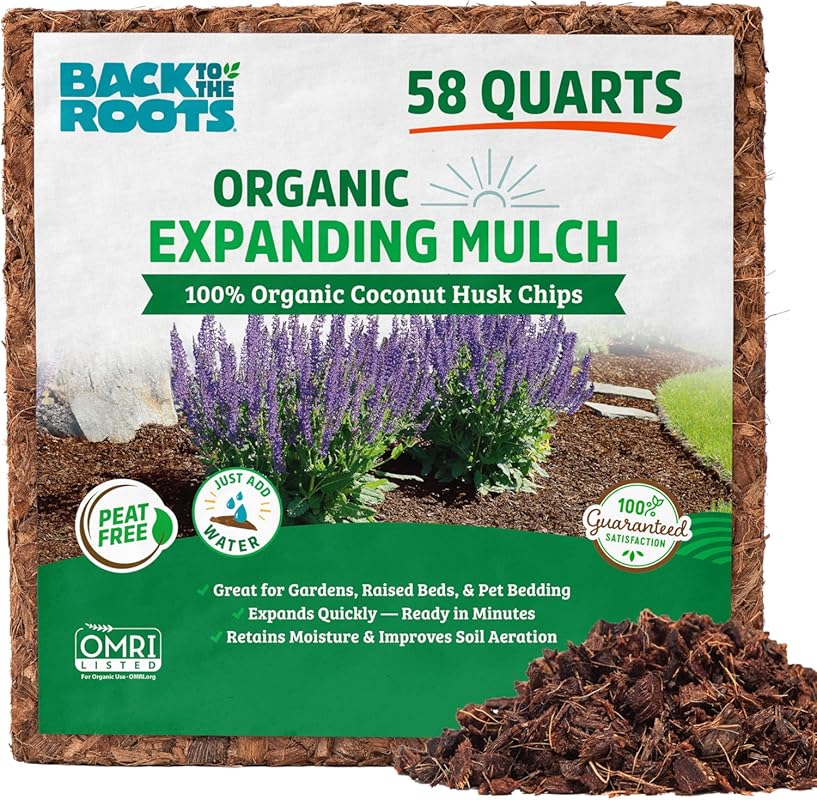
If you’re exploring alternatives to traditional straw or wood mulches, the Back to the Roots Organic Coconut Husk Mulch Block is a fantastic, innovative choice. This compressed block expands significantly when watered, offering a large volume of peat-free, OMRI Listed mulch from a compact package. It’s an excellent sustainable mulch option for any gardener aiming for better soil structure and moisture retention.
Key Features That Stand Out
- ✓ Highly Expandable: A 10lb block expands to over 2 cubic feet of mulch when hydrated, offering impressive coverage.
- ✓ 100% Organic Coconut Husk: Made purely from coconut husks, providing a natural and sustainable alternative.
- ✓ Peat-Free & OMRI Listed: Environmentally conscious, avoiding peat harvesting and certified for organic gardening.
- ✓ Improved Soil Aeration and Drainage: The fibrous nature helps prevent soil compaction while retaining moisture.
Why We Recommend It
We absolutely love this coconut husk mulch for its eco-friendly credentials and incredible expandability. It’s a space-saving solution that delivers on all fronts: excellent moisture retention, weed suppression, and a valuable contribution to soil structure as it breaks down. Its OMRI certification means you’re providing the best for your vegetable garden.
Best For
Perfect for gardeners who prioritize sustainable, peat-free options and want an easy-to-store mulch that offers significant expansion for raised beds, containers, and in-ground vegetable patches.
Pros and Cons
Pros:
- Compact and easy to store before use.
- Expands significantly, offering great coverage per block.
- Peat-free and OMRI Listed, great for the environment and organic certification.
- Excellent at retaining moisture and improving soil aeration.
Cons:
- Requires watering to expand before application.
- Texture might be different than what some gardeners are used to.
Customer Reviews
Customer Review: “This coco coir mulch is a game-changer! It’s amazing how much comes out of one little block. My container tomatoes are thriving, and it keeps the soil perfectly moist. Will definitely be using this for all my future planting.” – Gary L.
Customer Review: “I was hesitant to try coconut mulch but I’m so glad I did. It’s clean, easy to use, and my vegetable beds have never looked better. No more dry patches, and weeds are minimal. Plus, it’s organic!” – Olivia M.
5. HealthiStraw GardenStraw All-Natural Sustainable Wheat Mulch Box for Gardens & Lawn Seeding, 2 cu ft
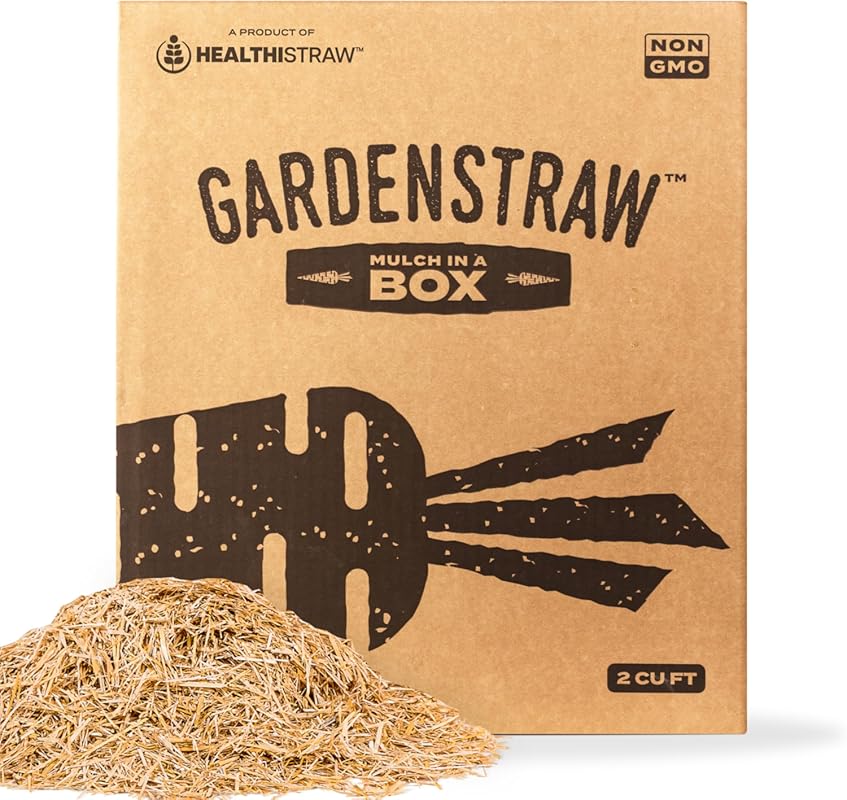
The HealthiStraw GardenStraw Mulch Box offers a generous 2 cu ft of all-natural, sustainable wheat mulch, making it an excellent investment for larger gardens or comprehensive landscaping projects. This product emphasizes cleanliness and sustainability, providing a filtered wheat straw that is designed to interlock when watered, resisting displacement from wind and rain. It’s a fantastic natural mulch for vegetable garden care.
Key Features That Stand Out
- ✓ Generous 2 cu ft Volume: Provides extensive coverage for larger garden areas or multiple smaller beds.
- ✓ All-Natural & Clean Mulch: Sourced from 100% non-GMO wheat straw, naturally filtered to minimize dust, dirt, and unwanted seeds.
- ✓ Interlocking Fibers: Specially cut straw fibers interlock when watered, ensuring the mulch stays in place against wind and rain.
- ✓ Compost-Friendly: Used straw easily breaks down and can be added to your compost pile, enriching soil further.
Why We Recommend It
We recommend HealthiStraw for its commitment to cleanliness and its innovative interlocking design, which solves a common issue with straw mulch blowing away. Its large volume offers great value, and the fact that it’s compost-friendly means it’s part of a true closed-loop gardening system. It’s an effective and sustainable weed barrier.
Best For
This mulch is best for gardeners with larger areas to cover, including extensive vegetable patches, raised beds, or those who appreciate a clean, stable straw mulch that offers excellent wind resistance.
Pros and Cons
Pros:
- Large quantity provides ample coverage for bigger gardens.
- Clean and seed-minimized wheat straw.
- Interlocking fibers offer superior wind and rain resistance.
- Biodegradable and easily composted after use.
Cons:
- Can initially have a slight natural straw smell.
- May require a bit more effort to spread evenly due to interlocking nature.
Customer Reviews
Customer Review: “I needed a lot of mulch for my new expanded vegetable garden, and this HealthiStraw box was perfect. It spread well, and once I watered it, it stayed put through some windy days. My soil is so much happier and the weeds are almost non-existent.” – Chris W.
Customer Review: “The best straw mulch I’ve used! It really does interlock and not blow all over the place. My vegetable plants are loving the consistent moisture, and it’s so much cleaner than other brands. Plus, it’s huge, great for the price!” – Brenda S.
Complete Buying Guide for Organic Mulch For Vegetable Garden
Essential Factors We Consider
When choosing the best organic mulch for your vegetable garden, there are a few key things to keep in mind to ensure you get the most out of your investment. Firstly, consider the source material. Straw, shredded leaves, wood chips, and coconut coir all offer unique benefits. Straw is fantastic for annual veggies as it breaks down relatively quickly, adding nutrients. Shredded leaves are excellent for long-term beds, while wood chips are better for pathways or around perennial vegetables due to slower decomposition. Secondly, always check if the product is weed and seed-free. The last thing you want is to introduce new weed problems while trying to solve existing ones! Look for terms like “processed to be weed-free” or “filtered.” Thirdly, think about decomposition rate. Faster decomposing mulches add more organic matter to your soil quickly, which is great for hungry vegetables, but they need to be replenished more often. Slower decomposing mulches offer longer-lasting weed suppression and moisture retention.
Budget Planning
Investing in organic mulch is an investment in your garden’s health, but it doesn’t have to break the bank. Straw and shredded leaves are generally more budget-friendly options, especially if you can source them locally. Coconut coir and specialized shredded mulches might have a higher upfront cost but often offer unique benefits like enhanced water retention or OMRI certification for strict organic practices. Consider the volume needed for your garden. Buying in bulk or larger bags (like our Best Budget pick) often reduces the per-cubic-foot cost. Remember, the long-term benefits of mulch—reduced watering, fewer weeds, and healthier soil—can actually save you money on water bills and other garden amendments over time, making it a worthwhile expense.
Final Thoughts
Ultimately, the best organic mulch for your vegetable garden depends on your specific needs, local climate, and personal preferences. Whether you opt for the classic simplicity of wheat straw, the OMRI-certified goodness of shredded mulch, or the innovative expandability of coconut coir, incorporating organic mulch is one of the easiest and most effective ways to boost your garden’s vitality. It’s like giving your plants a protective blanket that keeps them cozy, hydrated, and free from pesky weeds. Happy mulching, and here’s to a bountiful harvest!
Frequently Asked Questions
Q: Why should I use organic mulch for my vegetable garden?
A: Organic mulch provides numerous benefits: it suppresses weeds by blocking sunlight, conserves soil moisture reducing the need for frequent watering, moder moderates soil temperature (keeping roots cool in summer and warm in winter), and adds valuable organic matter to your soil as it decomposes, improving its structure and fertility.
Q: What’s the difference between straw and hay as mulch?
A: Straw is typically the dried stalks of cereal grains (like wheat or oats) after the grain has been removed. It is generally seed-free and an excellent choice for organic mulch for vegetable garden. Hay, on the other hand, is dried grasses, legumes, and other plants cut before seeds mature, often containing many seeds that can sprout new weeds in your garden. Always choose straw over hay for mulching your vegetable beds.
Q: How thick should I apply organic mulch?
A: For most vegetable gardens, a layer of 2-4 inches of organic mulch is ideal. This thickness is usually sufficient to suppress weeds and retain moisture effectively without smothering young plants or preventing water from reaching the soil. Adjust the thickness based on the type of mulch and local conditions.
Q: Will organic mulch attract pests to my vegetable garden?
A: While some organic mulches, like wood chips, can occasionally provide habitat for beneficial insects, they can also sometimes attract slugs or earwigs if applied too thickly or kept consistently damp. However, for most common organic mulches for vegetable garden like straw or shredded leaves, the benefits of pest deterrence (by denying weeds a foothold) far outweigh any minor potential for attraction. Ensure mulch isn’t piled directly against plant stems to allow for airflow.
Q: How often do I need to reapply organic mulch?
A: The reapplication frequency depends on the type of organic mulch you use and its decomposition rate. Softer mulches like straw or shredded leaves may need to be topped up every 4-6 months, especially in active vegetable beds where decomposition is faster. Mulches like wood chips or coconut coir decompose more slowly and might only need replenishing once a year or every other year.
Choosing the right organic mulch for your vegetable garden is a game-changer for plant health and your gardening sanity. By selecting one of our top-rated options, you’re investing in richer soil, happier plants, and significantly less time spent weeding. Take the plunge and give your vegetables the natural care they deserve. Your bountiful harvest will thank you! Ready to make your garden thrive? Click the “Check Price on Amazon” buttons above to find the perfect natural mulch solution for your patch today!